some
- parisolar@gmail.com
- Mon - Fri 8:00 - 18:00 / Sunday 8:00 - 14:00


On Grid Solar
- Home
- Our Products
- On Grid Solar
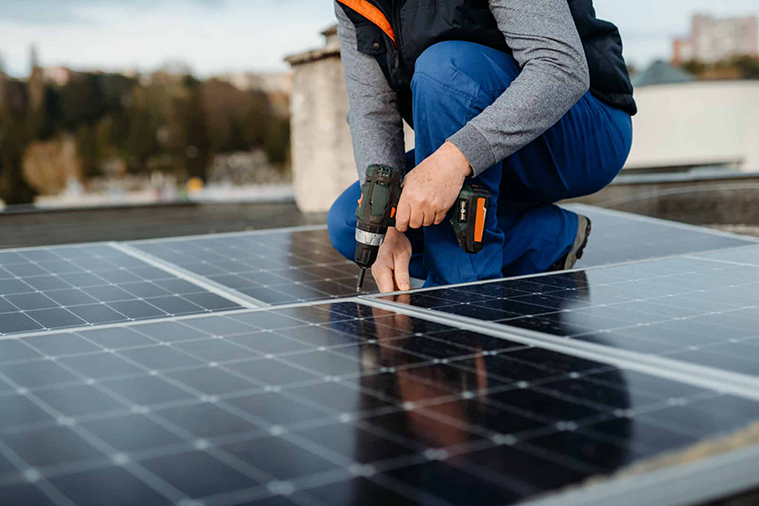
OnGrid Solar
An on-grid solar panel, also known as a grid-tied solar panel, is connected to a local utility's grid. The panels' energy is fed into an inverter to convert it into alternating current that's compatible with the grid. On-grid solar systems only work when the grid is supplying electricity.
On-grid solar systems don't have batteries, so the utility system acts as a battery space. This means that any excess or deficiency of power can be fed to the grid through net metering. Residential users can receive credit for excess power and save on their electricity bills.
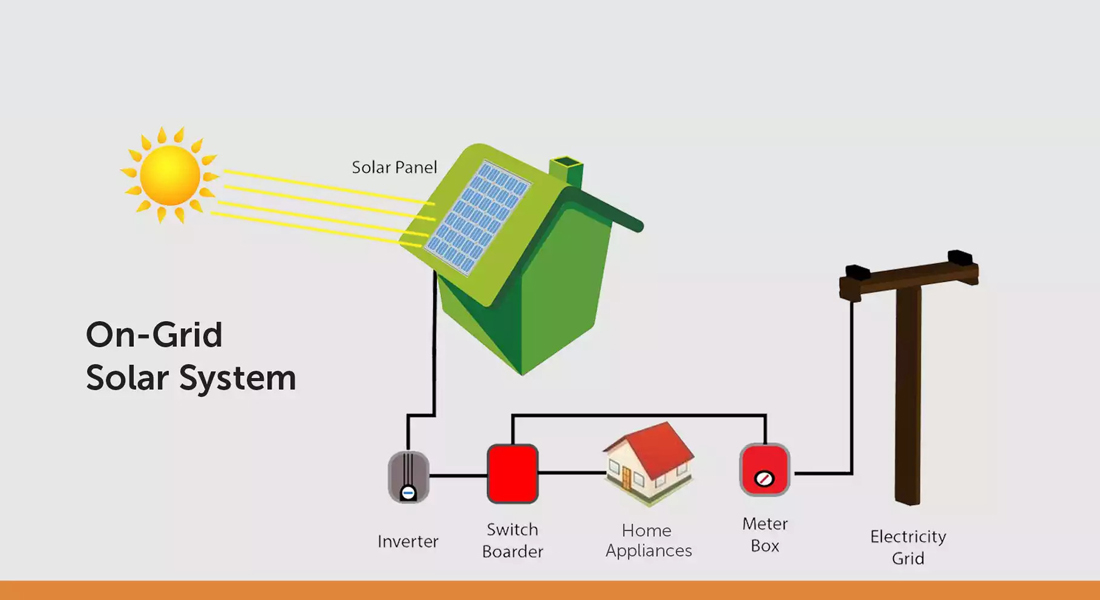
How On-Grid Solar Works
On-grid solar systems are connected directly to the electrical grid, allowing you to generate electricity from sunlight and feed any excess power back into the grid. Here's how it works:
Solar Panels
Photovoltaic (PV) solar panels installed on your rooftop or property capture sunlight and convert it into DC electricity.
Inverter
The DC electricity generated by the solar panels is then converted into AC electricity by an inverter, making it compatible with your home or business's electrical system.
Usage and Grid Connection
The AC electricity produced by the solar panels is used to power your appliances, lights, and other electrical devices. If your energy consumption exceeds the amount generated by the solar panels, additional power is drawn from the grid. Conversely, if your solar system produces more electricity than you need, the excess power is exported to the grid.
Net Metering
Through a process called net metering, the excess electricity exported to the grid is credited to your account, effectively offsetting any electricity you consume from the grid when your solar panels are not producing enough power (e.g., at night or during cloudy weather).

Quality Products
We partner with leading manufacturers to offer high-quality solar panels, inverters, and mounting systems, ensuring reliability, performance, and longevity for your solar investment.

Financial Incentives
Our government and utilities offer financial incentives, such as feed-in tariffs and tax credits, to encourage the adoption of on-grid solar systems, further enhancing the financial viability of solar energy investments.